Product Passports for Cosmetics & Beauty
Ingredient transparency, ethical sourcing, refills, and authentication for beauty brands.
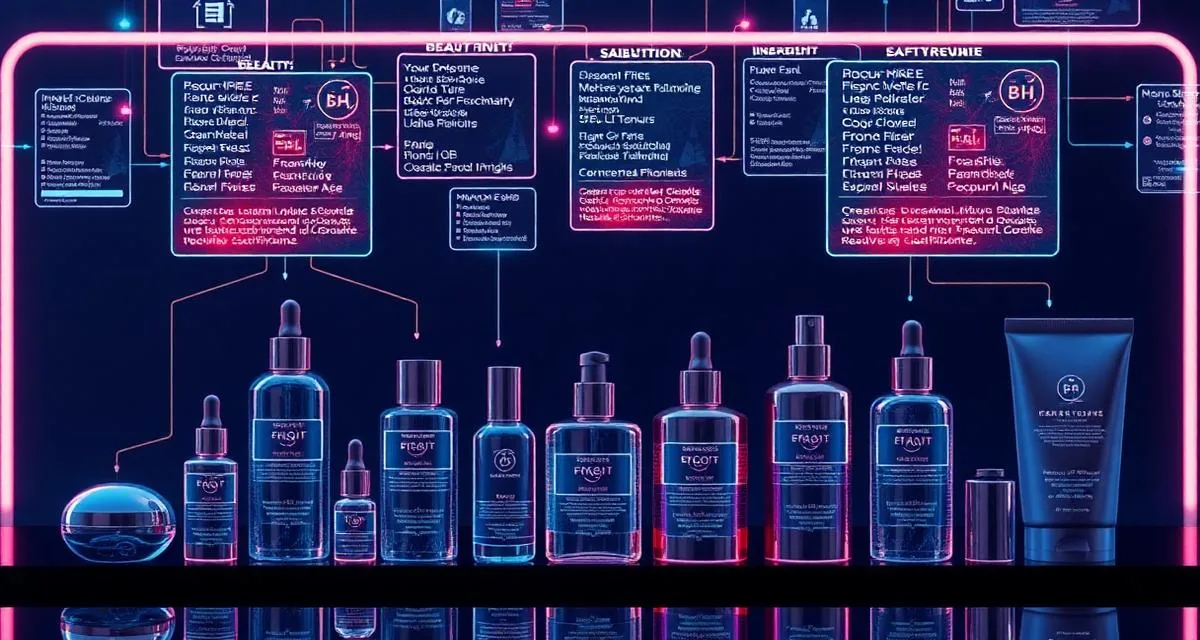
Key points
- Plain-language ingredient explanations
- Verifiable certifications: organic, fair-trade, RSPO
- Refill scheme enrolment and reminders
- Cryptographic NFC for tamper-evident authentication
Contents
Why Cosmetics Are Heading Towards DPP
Cosmetics sit at the intersection of consumer health, environmental impact, and supply-chain ethics. Shoppers want to know what's in the bottle, where it came from, and whether the brand's claims about sourcing and sustainability stand up — see how health & beauty brands deliver this with SmartLinks today.
While cosmetics are not in the first ESPR wave, the European Commission is actively assessing them for inclusion. Forward-thinking beauty brands are already using DPP-style connected packaging to differentiate on transparency.
- Cosmetics under active assessment for ESPR inclusion
- Ingredient transparency is a top consumer demand
- Sustainability claims increasingly under scrutiny
- Connected packaging delivers all three on one tag
Ingredients, Allergens, and Safety Data
EU Regulation 1223/2009 already requires extensive ingredient disclosure for cosmetics. Connected packaging makes this information far more usable: instead of squinting at a tiny INCI list, consumers scan and see ingredients explained in plain language, with allergens highlighted.
Brands gain a channel to educate consumers about formulation choices and to surface safety data sheets for professional users.
- Plain-language ingredient explanations
- Allergen highlighting and personal-care warnings
- Safety data sheets for professional channels
- Multi-language delivery for cross-border products
Provenance, Ethical Sourcing, and Animal Testing
Many cosmetic ingredients — palm derivatives, mica, vanilla, essential oils — come with significant ethical and environmental questions. Connected packaging gives brands a place to tell that story credibly, with verifiable certifications and origin data.
For ingredients banned from animal testing in the EU but tested in other markets, DPP-style transparency provides a clear public position.
- Verifiable certifications: organic, fair-trade, RSPO
- Origin stories at ingredient level
- Animal testing position by market
- Supply chain visibility for high-risk ingredients
Refills, Returns, and Packaging Circularity
Cosmetics packaging is dominated by small glass and plastic containers that are notoriously hard to recycle. Refill schemes, returnable packaging, and recyclable formats are growing — and all benefit from connected packaging that can identify the container and route it correctly.
DPPs also help brands prove the recycled content of their packaging, an increasingly regulated claim.
- Refill scheme enrolment and reminders
- Returnable packaging tracking
- Recycled content disclosure
- End-of-life sorting instructions per material
Authentication and Anti-Counterfeiting
Premium cosmetics and fragrances are heavily counterfeited. Counterfeits not only damage brand value, they pose real safety risks to consumers. Connected packaging with cryptographic authentication shuts this down.
A tap or scan tells the consumer whether the product is genuine before they use it on their skin.
- Cryptographic NFC for tamper-evident authentication
- First-scan binding for grey-market detection
- Counterfeit reporting workflows for affected consumers
- Channel verification for distributor accountability
Tip
SmartLinks NFC tags can be sealed under the cap or shrink wrap so any tampering is detectable on first scan.
How Beauty Brands Get Started with SmartLinks
Most cosmetics brands begin with a small pilot — a single SKU or limited edition — to prove the connected packaging experience. SmartLinks supports rapid pilots while keeping the underlying identity infrastructure ready for full DPP rollout when regulation arrives, all powered by the SmartLinks Hub.
Content, language, and audience targeting are managed through a single dashboard, so marketing, regulatory, and sustainability teams can collaborate on what each scan reveals.
- Single-SKU pilots launchable in weeks
- Multi-language and multi-market content from day one
- Audience-aware: consumer story, regulator file, retailer asset pack
- Migration path to full DPP when regulation lands