DPPs for Fashion & Apparel
Textiles in the first ESPR wave: data gaps, resale, anti-counterfeit, and where fashion brands should start.
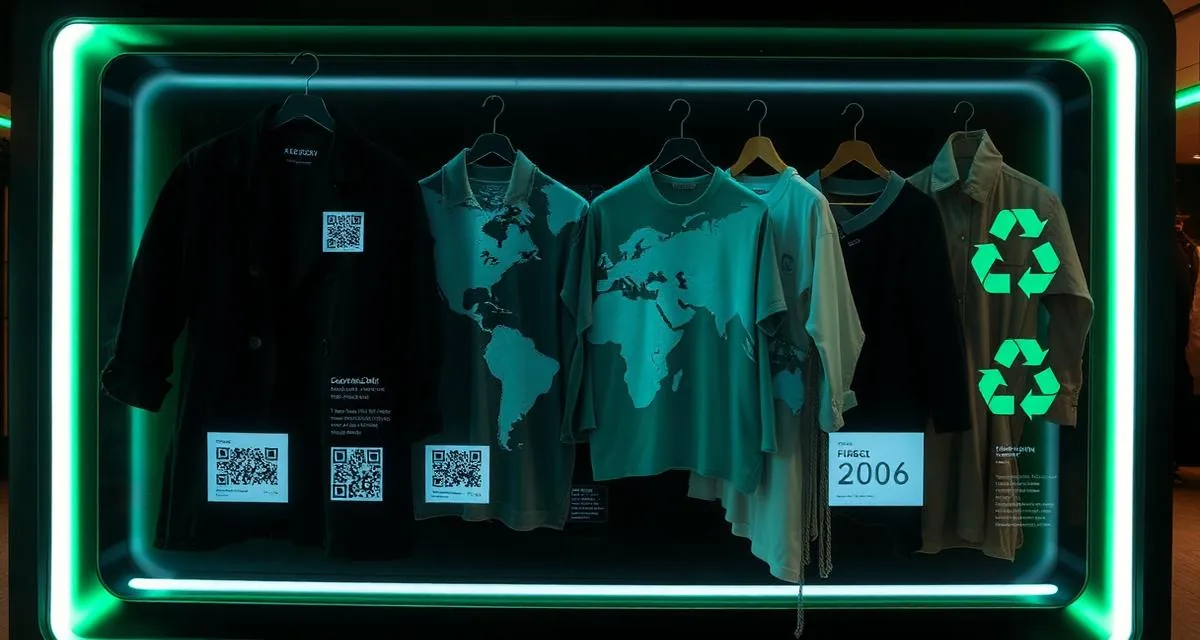
Key points
- Tier 2 and Tier 3 supplier visibility is the biggest gap
- Persistent garment identity from manufacture onward
- Cryptographic NFC for instant authentication
- Care guidance to minimise environmental impact
Contents
Textiles in the First Wave of ESPR
Textiles and footwear are among the priority categories for ESPR delegated acts, with DPP requirements expected to apply from 2027-2028. The fashion industry is one of the most resource-intensive sectors in the world, and the EU has made clear that business as usual is no longer acceptable.
Digital Product Passports will require fashion brands to disclose material composition, country of origin, environmental footprint, and end-of-life guidance for every garment placed on the EU market. See how SmartLinks delivers this for clothing & apparel and luxury fashion houses.
- DPP requirements expected from 2027-2028 for textiles
- Mandatory recycled content thresholds proposed
- Disclosure of microplastic shedding and care impact
- End-of-life guidance for resale, repair, and recycling
The Sustainability Data Gap
Most fashion brands cannot today produce the data the DPP will require. Tier 2 fabric mills, dye houses, and finishing plants are rarely visible to brand teams, and material composition records are often approximate at best.
Closing this gap is a multi-year programme. Brands that start now will be ready when delegated acts crystallise.
- Tier 2 and Tier 3 supplier visibility is the biggest gap
- Material composition needs verifiable testing
- Carbon footprint methodologies (PEFCR) are stabilising
- Auditable chain-of-custody systems are non-negotiable
Resale, Rental, and Circular Fashion
Resale is the fastest-growing segment in fashion retail. Brands that participate own the secondary value of their products; those that don't watch margin migrate to third-party marketplaces.
Connected packaging — usually a woven NFC label or QR care tag — gives every garment a persistent identity that fuels authentication, condition grading, and re-sale automation, all powered by the SmartLinks Hub.
- Persistent garment identity from manufacture onward
- Authentication for high-value resale categories
- Condition grading inputs from owner history
- Rental and subscription model enablement
Tip
SmartLinks NFC labels can be sewn into the care tag, surviving washing and lasting the garment's lifetime.
Microfibres, Care, and End-of-Life
DPPs will likely include guidance on care impact (washing temperature, microfibre shedding) and end-of-life routing (recycling, take-back, repair). Brands that present this information clearly help consumers reduce the environmental cost of ownership.
Connected packaging is the natural delivery mechanism — care information that's always to hand, not lost when the swing tag is cut off.
- Care guidance to minimise environmental impact
- Microfibre shedding disclosure where applicable
- Take-back and repair scheme enrolment
- End-of-life sorting instructions by material
Where Fashion Brands Should Start
Start with a capsule or collection rather than the full range. SmartLinks supports phased rollouts, beginning with marketing and authentication value before progressively layering in DPP data fields as supplier programmes mature.
This approach gives brands tangible value from day one while building the infrastructure required for 2027-2028 compliance.
- Pilot on a single capsule collection
- Begin with authentication and storytelling value
- Layer in material data as supplier programmes mature
- Scale to full range ahead of ESPR delegated act