Automotive Tyres Authentication & Consumer Engagement
How a tyre brand uses item-level identity: verification that a tyre is genuine, service and rotation records attached to the set, and a direct route to the driver for maintenance guidance.
Illustrative only — we will model this against your SKUs on a walkthrough.
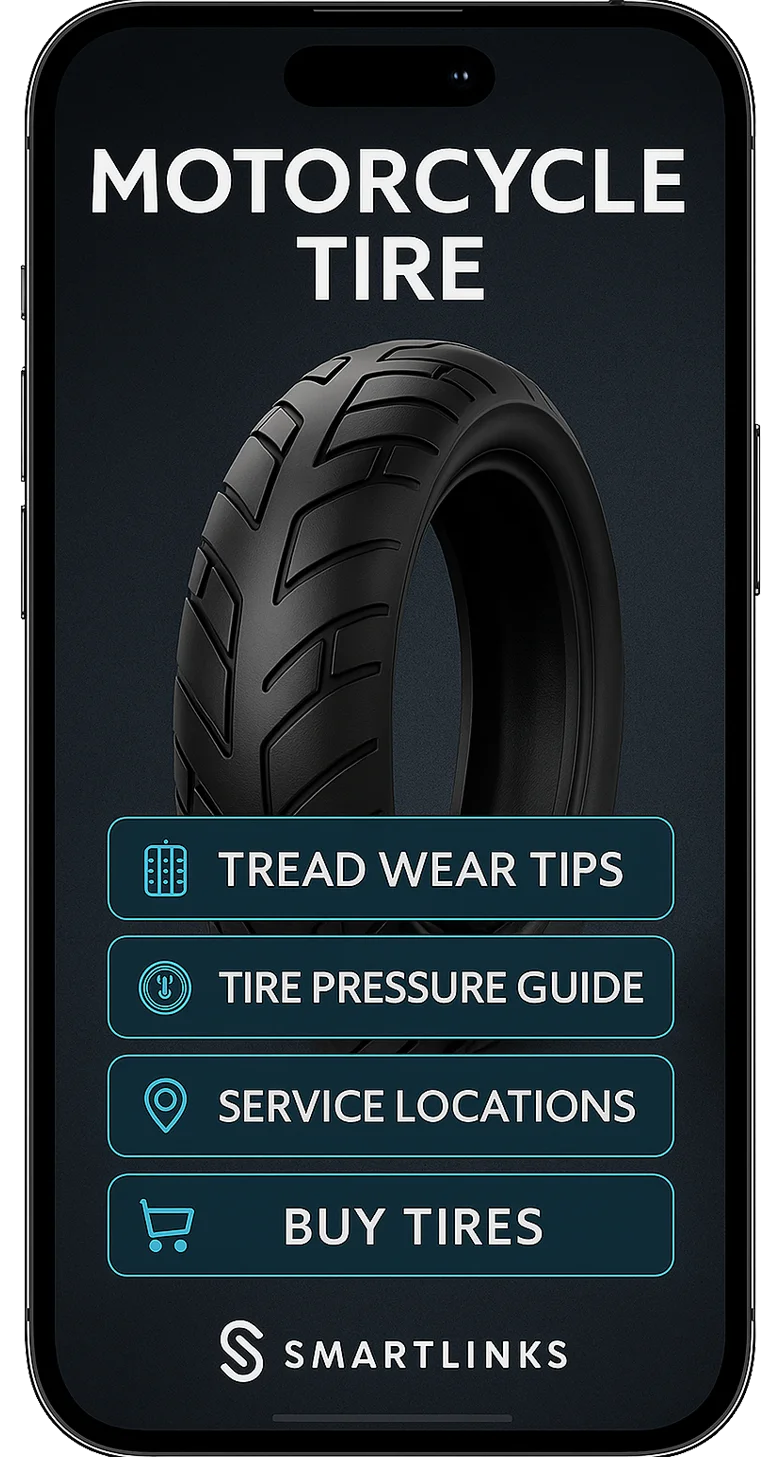
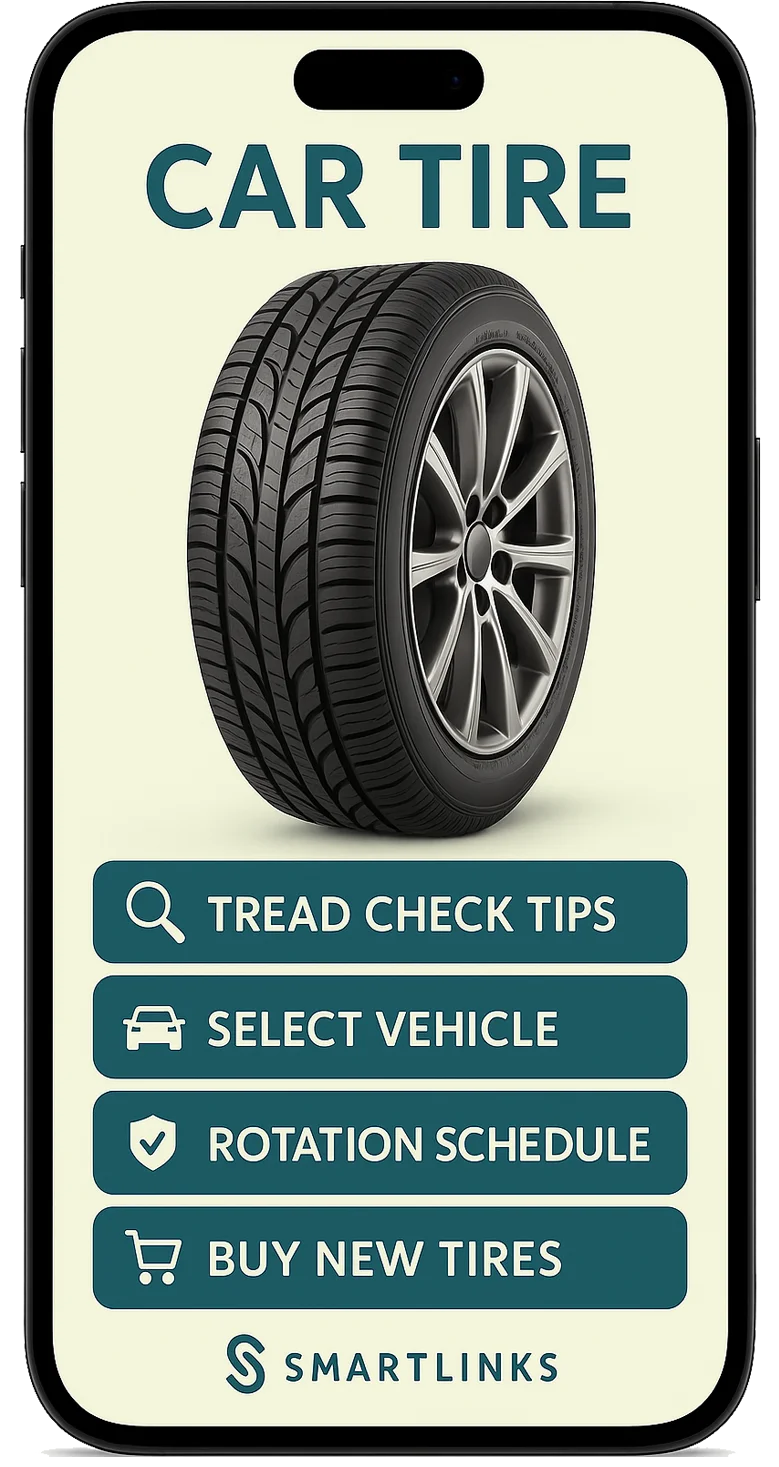
The flow, step by step
What happens from the first scan onwards, and who does what.
Powerful capabilities
Advanced features designed to streamline your operations and maximise efficiency.
Tyre authentication
Verification that a tyre is genuine, checkable at the fitting bay
Maintenance prompts
Pressure checks, rotation reminders and wear guidance
Service records
Rotation, balancing and inspection history held against the set
Safety guidance
Recommended service intervals and safety information on the tyre
Owner registration
First scan captures the owner and fitting record as a data-capture step
Service network access
Find approved fitters and book appointments from the scan
Where the value shows up
The mechanisms this flow creates, rather than a promised number.
The tyre as a sales channel
Identity on a tyre supports authenticity checks and service records, and gives the brand a route to the driver between fittings.
A direct line to the driver
Pressure and tread guidance, rotation reminders and service prompts delivered from the tyre.
Buying from the tyre
Fitting services, accessories, replacement sets and maintenance packages reachable from the scan.
A connected service record
Rotations, balancing and inspections sit against the set, so replacement conversations are based on the record.
Illustrative only — we will model this against your SKUs on a walkthrough.
What this changes day to day
The practical differences once each item carries its own identity.
See this modelled against your own products
Bring a few SKUs and we will walk through what automotive tyres authentication & consumer engagement would look like for your range.
Book a walkthrough