Toys & Games Manufacturing
How a toy maker uses item-level identity: instructions and activities reachable from the product, safety and age information for parents, and content that keeps the toy in use after the first week.
Illustrative only — we will model this against your SKUs on a walkthrough.
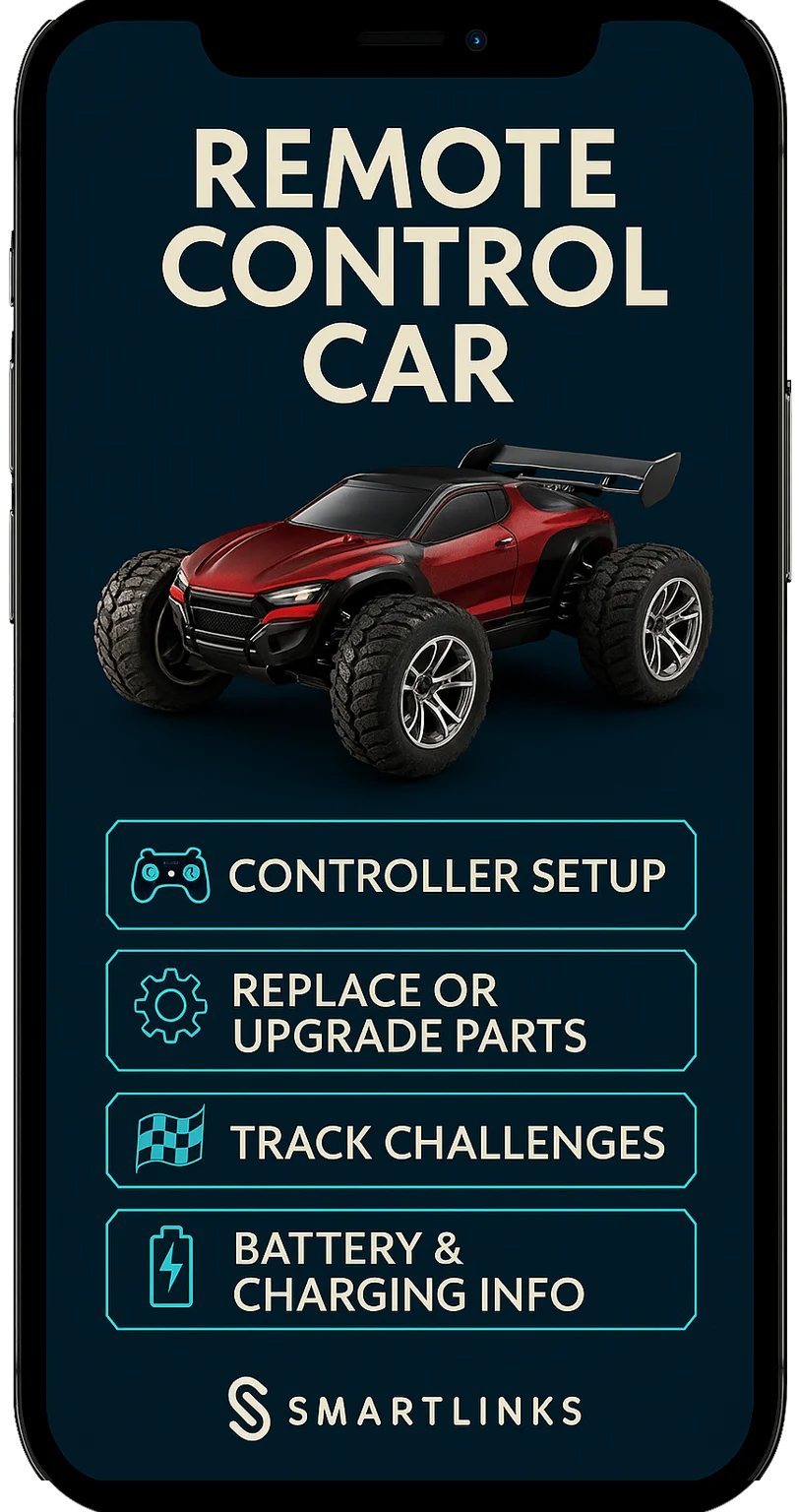
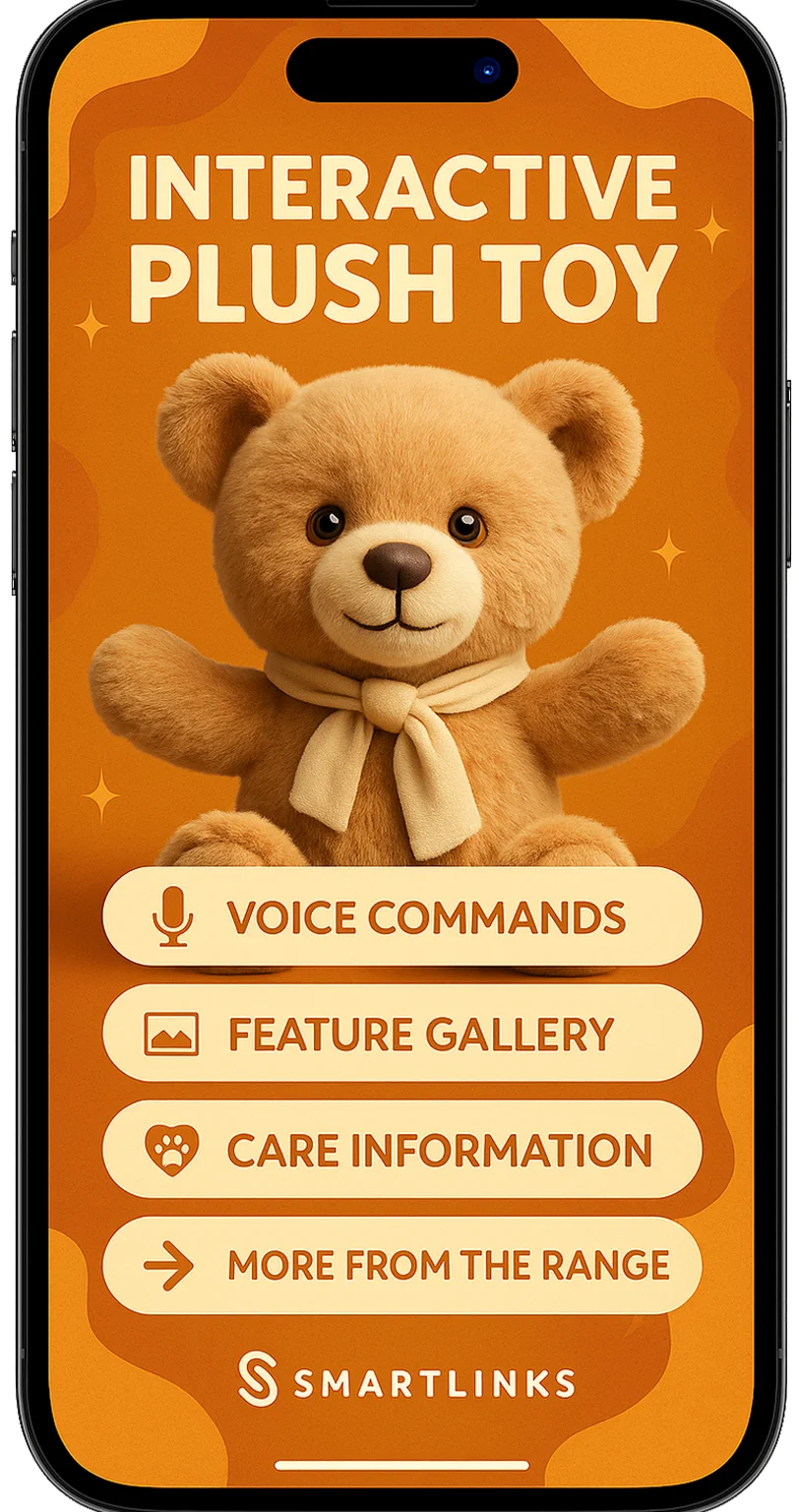
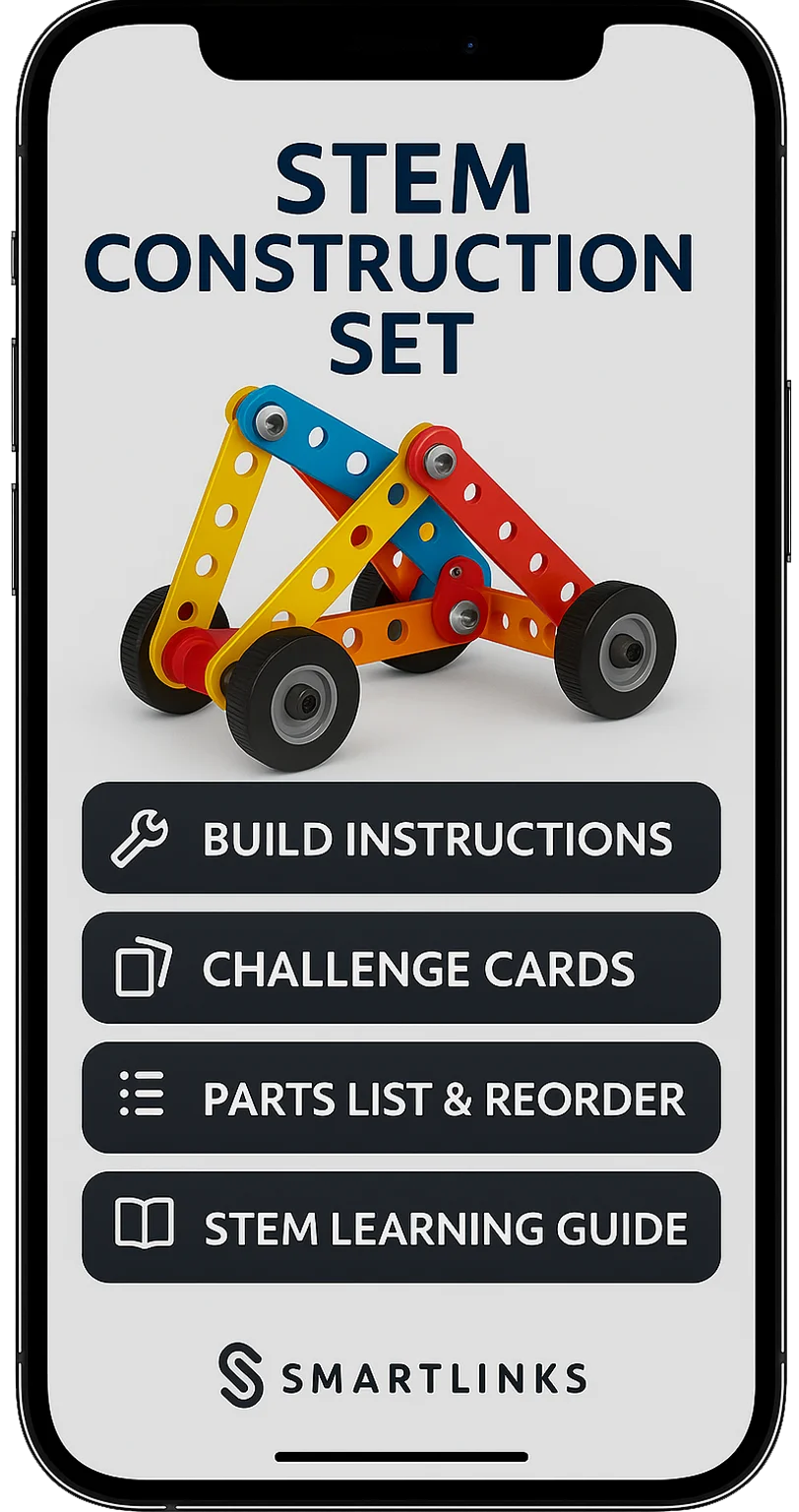
The flow, step by step
What happens from the first scan onwards, and who does what.
Powerful capabilities
Advanced features designed to streamline your operations and maximise efficiency.
Content gateway
Educational and entertainment content opened from the toy
Educational activities
Age-appropriate learning activities and STEM challenges
Parent portal
Safety information, age guidance and developmental notes for parents
Digital add-ons
Premium content, expansion packs and educational modules
Where the value shows up
The mechanisms this flow creates, rather than a promised number.
The product as an ongoing relationship
A scannable toy keeps instructions, activities and safety information where the parent can find them, and keeps the brand in contact as the child grows.
Play that extends past the box
Physical toys open onto activities, instructions and educational content that keep the product in use.
Buying from the product
Expansion packs, replacement pieces, educational modules and complementary products reachable from the toy.
Understanding the buyer
Engagement data shows what parents and children actually use, which guides the next set of products.
Illustrative only — we will model this against your SKUs on a walkthrough.
What this changes day to day
The practical differences once each item carries its own identity.
See this modelled against your own products
Bring a few SKUs and we will walk through what toys & games manufacturing would look like for your range.
Book a walkthrough